Course Overview
Across the pharmaceutical and medical-device lifecycle, turning a large volume of scientific information into accurate written work is one of the most time-consuming jobs there is. Reports, literature reviews, regulatory narratives and dossier sections all rest on finding, synthesising and correctly citing a sprawling evidence base.
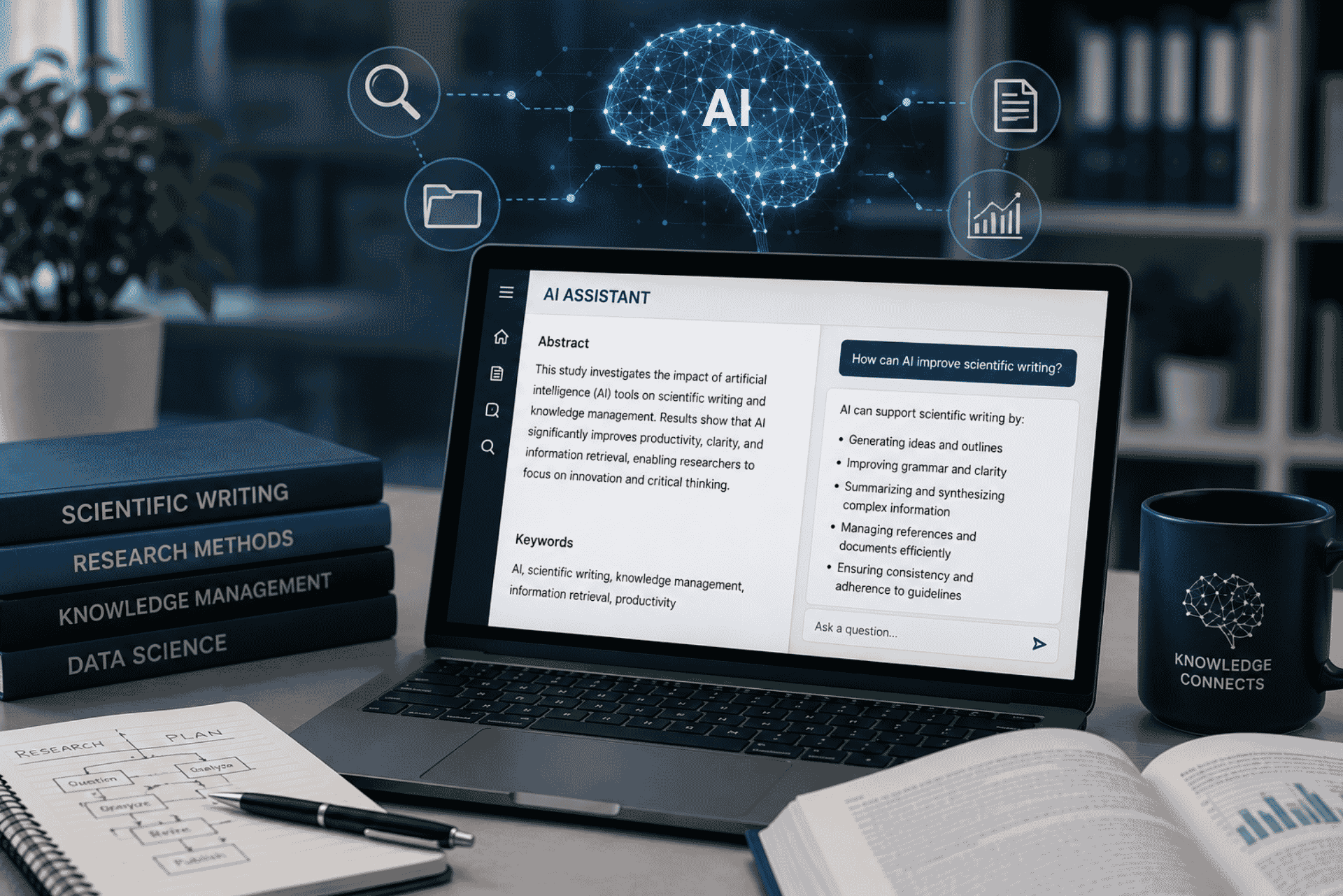
This practical, hands-on course shows how to use AI, and large language models in particular, to do that work faster and to a higher standard: how to choose the right tool for the task, how to keep proprietary data safe, how to produce documents that are accurate and auditable, and how to use AI for the wider job of communicating clearly. Every session is built around live, worked examples you can apply straight away.
Learn more about how we deliver live online training.
Key Learning Objectives
- Understand how large language models generate text, and why hallucination happens
- Choose the right AI tool for a given task, and know the data-safety implications of each
- Set up an environment where AI can work usefully and safely with their own documents
- Produce accurate documents quickly using templates, task breakdown and good data organisation
- Build a quality-control workflow that surfaces errors clearly and keeps every claim traceable to its source
- Use AI to strengthen the wider communication job: clear visuals, consistent style and well-conveyed meaning
Data safety runs through the whole course: at every stage you will see where your data goes and how to keep proprietary or regulated information protected.
Who Should Attend?
Anyone across pharmaceutical and medical-device organisations who works with scientific literature and technical or regulatory documents: R&D, CMC, clinical, regulatory affairs and medical affairs. It is equally suited to smaller science-led firms building their in-house AI capability.













Reviews
There are no reviews yet.